How to Choose the Right Industrial Dust Collection System for Your Factory
Industrial manufacturing processes—ranging from woodworking and metal grinding to chemical blending and pharmaceutical tableting—generate vast volumes of toxic, abrasive, and combustible airborne dust. Failing to capture these particulates at the source exposes workers to hazardous respiratory conditions, damages expensive plant machinery, and puts your facility at risk of severe fire safety violations. Investing in an engineered Anzo Air dust collection system ensures clean ambient air, regulatory compliance, and uninterrupted production. In this technical guide, we break down the critical factors plant engineers must evaluate when choosing the right industrial filtration setup.
Airborne particulates are more than just a housekeeping nuisance—they are a direct threat to worker health, machinery lifespan, and facility safety. Whether dealing with fine wood flour, toxic chemical powders, or explosive metal dust from plasma cutting, deploying an effective source-capture filtration setup is vital for modern manufacturing plants.
1. Characterize Your Particulate Load
Not all dust is created equal. Before selecting a filtration unit, you must analyze the physical characteristics of the dust generated in your facility:
Particle Size & Distribution: Sub-micron particles require high-efficiency cartridge media (like PTFE-coated polyester), whereas coarse wood chips or mineral debris are better handled by cyclone separators or heavy-duty baghouses.
Combustibility & Explosiveness: Fine organic powders (flour, starch) and metallic dusts (aluminum, titanium) present explosive hazards (Kst values). These require ATEX-certified explosion vents, spark arrestors, and rotary airlock valves.
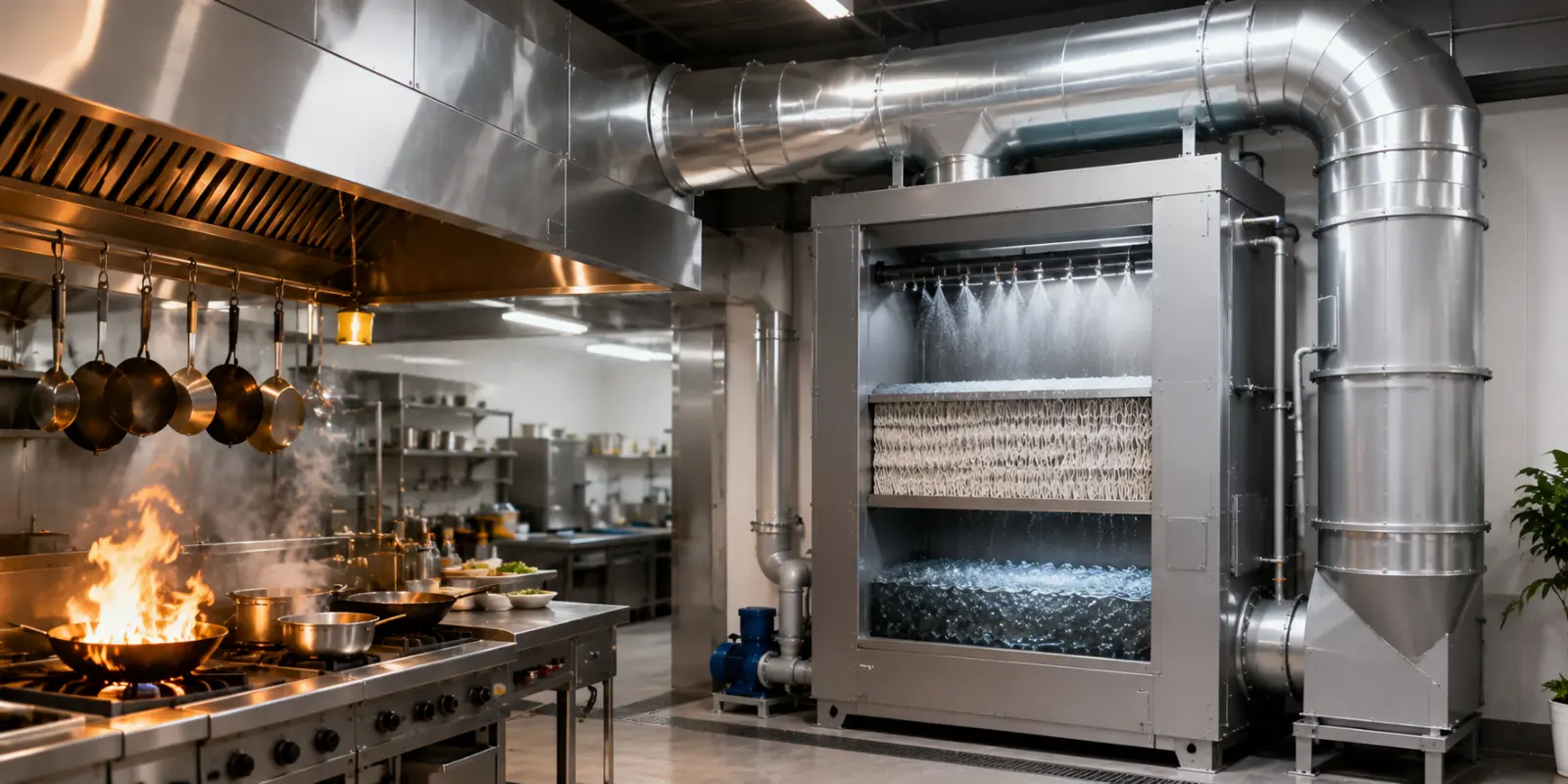
Moisture & Hygroscopic Nature: Sticky or oil-laden fumes require specialized oleophobic media or wet scrubbing technology to prevent filter blinding.
2. Determine Required Airflow (CFM) and Static Pressure
An under-sized collector will fail to capture fumes at the hood, while an oversized system wastes substantial electrical power. Airflow volume (CFM) must be calculated based on the capture velocity needed at each pickup hood, while total static pressure drop (inches of water gauge) dictates the blower motor rating needed to pull air through the duct network and filter media.
3. Select the Optimal Filtration Technology
Anzo Air manufactures three main categories of industrial particulate collectors:
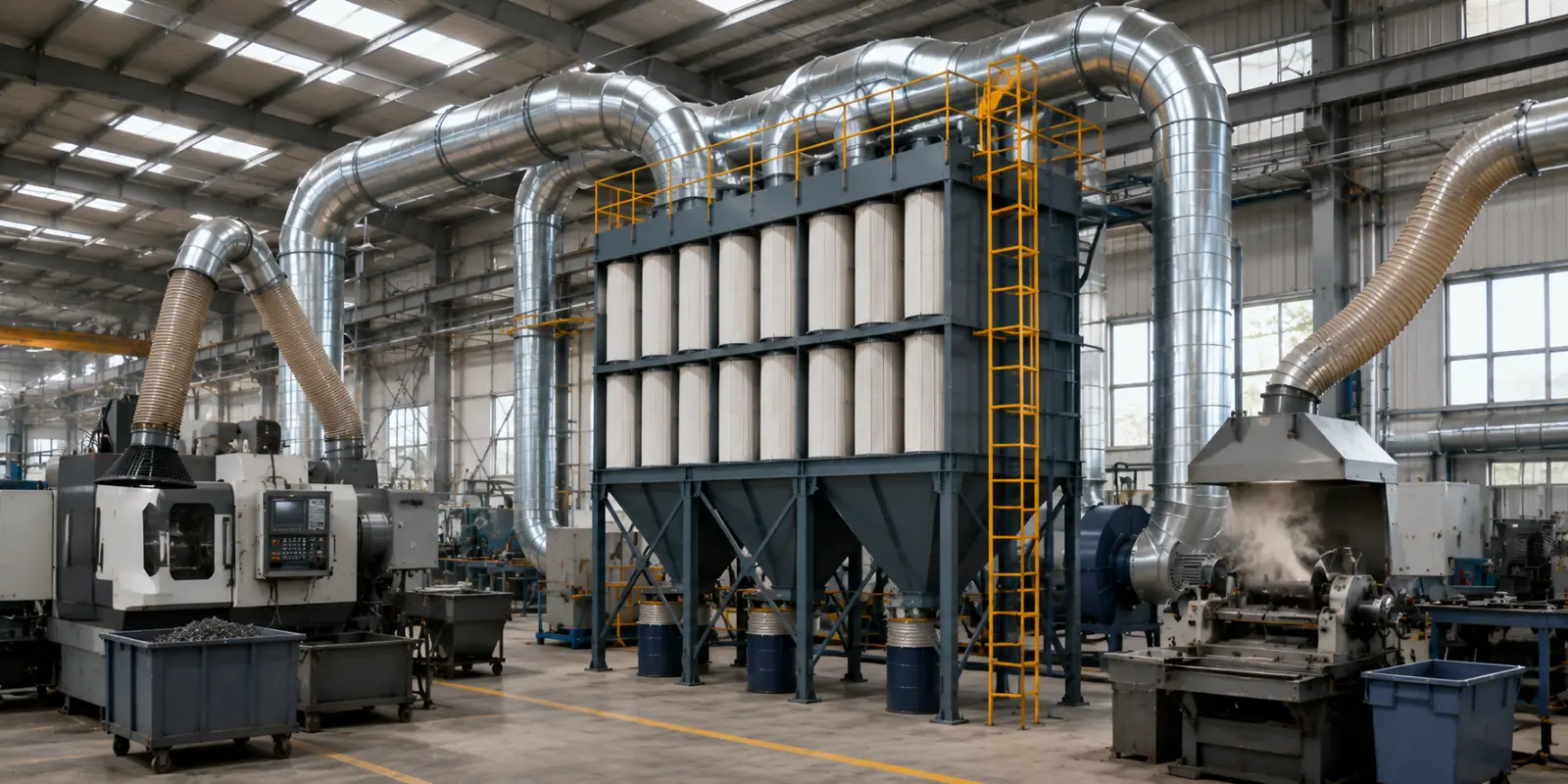
Cartridge Dust Collectors: Best for fine, dry powders and welding fumes. Compact footprint with ultra-high filtration efficiency (up to 99.9% down to 0.5 microns).
Baghouse Systems: Designed for high-volume, heavy dust loads (woodworking, cement, mining) with high operating temperatures.
Cyclone Separators: Excellent pre-cleaners used to strip heavy, coarse particles out of the air stream before reaching final filter banks.
Why Partner with Anzo Air?
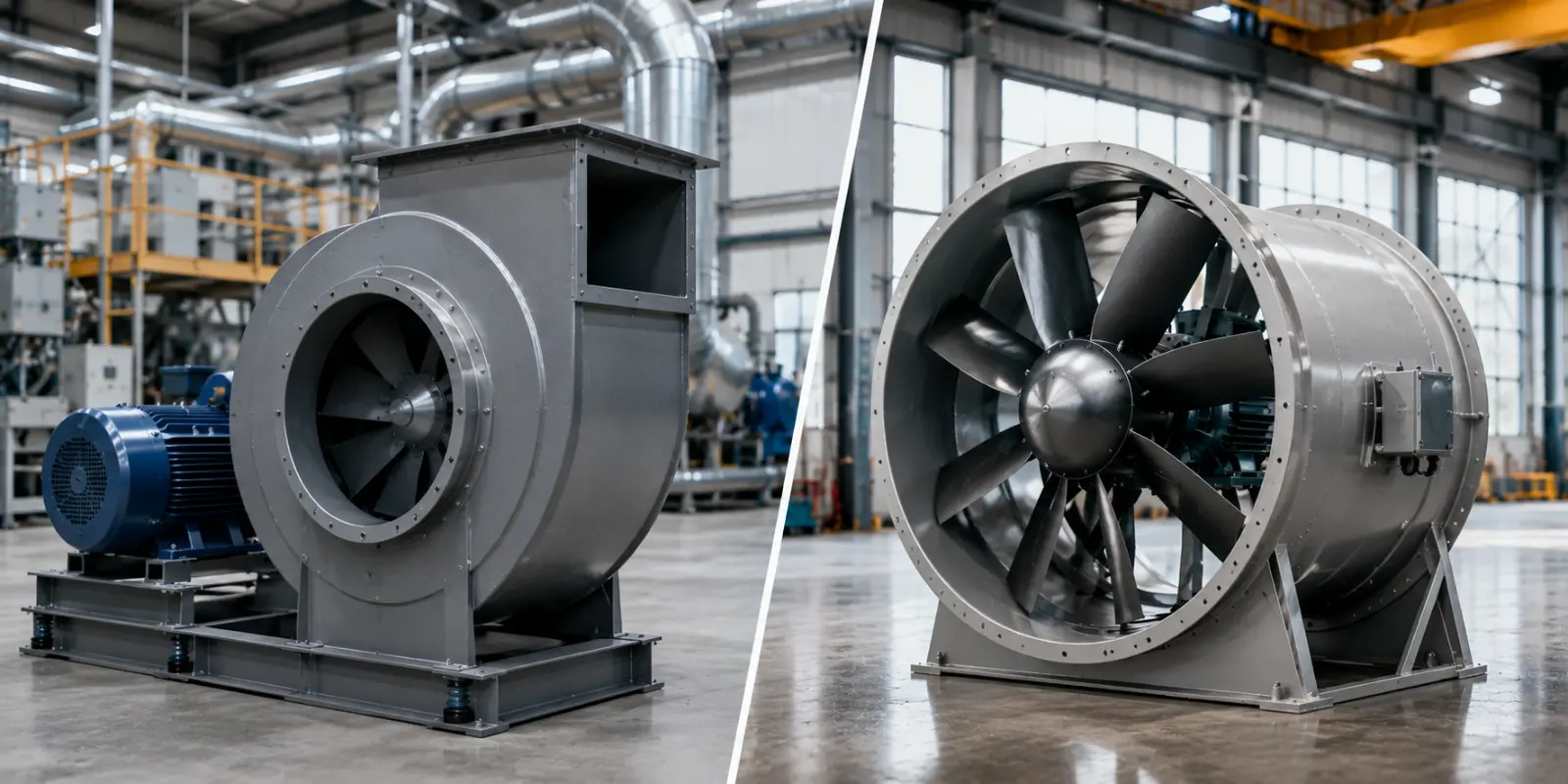
As a leading industrial air handling manufacturer, Anzo Air engineers custom pollution control systems featuring automatic pulse-jet cleaning mechanisms, energy-efficient centrifugal fans, and heavy-gauge structural steel construction built for non-stop 24/7 factory operations.
Upgrading your plant air quality safeguards your workforce and keeps your business fully compliant with environmental regulations. Contact the engineering team at Anzo Air today by emailing info@anzoair.com to request a site audit and custom filtration system quote.